


Back in 2022, Clea Shearer, co-founder of the Home Edit, shared on Instagram that she had been diagnosed with breast cancer. I was struck by her honesty and bravery in pulling back the curtain on her treatment.
This is hard to admit now but I remember thinking, “I’m glad that’s not me,” especially when she detailed her experience with doxorubicin, a particularly brutal chemo nicknamed the “Red Devil”—“red” for its cherry Kool-Aid color and “devil,” well, you can hazard a guess. The side effects can be excruciating, and they get progressively worse each session.
So when I received my own breast cancer diagnosis a little over a year later, I remembered her stories about the Red Devil, and I hoped I wouldn’t have to endure it too.

But after my mastectomy, and the discovery that my cancer had spread to 8 out of 10 lymph nodes, and that my tumor was a whopping 16cm (I still struggle to comprehend that it was that big), I knew there was no way I wasn’t heading for chemo, and likely the Red Devil, too.
I was right.
Before cancer, I avoided even basic pain meds unless absolutely necessary. So the thought of slowly dripping poison into my veins filled me with panic. But I had no choice. Or rather, I did have a choice, but it was between choosing to live or die. When I framed it that way, the decision was easy.
The First Session
December 13, 2023. The day of my first chemo infusion. I had to be at the hospital early, so my husband and I dropped the kids off at a friend when it was still dark, at 7 a.m.
The hospital was in Marseille, about a half hour drive from where we live in Aix-en-Provence. I had carefully chosen my clothes the night before, putting comfort first, based on what I had read from others who had gone through this already. Gray sweatpants, a black cotton camisole, a knitted cardigan, thick socks (socks come up a lot in advice for cancer patients), and slip-on Birkenstocks.
Chemo makes you cold, I was told. I’d packed a bag with a blanket, a water bottle, some snacks (granola bars, an apple), and my Kindle. The infusion would take around four hours, which seemed like an impossibly long time. Maybe I would just sleep?
I remember feeling a sense of foreboding when we parked at the hospital. There were a handful of other women in the waiting room, all of them a lot older than I was, most of them with scarves wrapped around their heads. One wore a noticeable wig. In 15 days, that will be me, I thought. That’s when my hair would start to fall out, my oncologist had said.
I was led into a room full of what looked like La-Z-Boy chairs. Women (and a smattering of men) were seated in them, hooked up to drips. Again, I was struck by how much older everyone was compared to me. I remember feeling a wave of self-pity—I wasn’t meant to be here, why was here? I was too young for this.
The hospital had a good reputation, but it was hardly luxurious. The room was drab and worn. I noticed a small tear in the leather of my chair, the foam stuffing visible. My husband, who speaks French, conversed with the nurse, and I closed my eyes and leaned my head back, allowing the sounds to waft over me.

When I had my mastectomy, the surgeon inserted a port in my chest on my left side. I had no idea what a port even was. Basically, it’s a tiny device under your skin that connects directly into a large central vein. It protects your smaller veins and makes treatment safer and easier.
I’m squeamish and I hated thinking there was this thing I could feel right under my skin. But I supposed it was better than being poked and prodded in my arm. I had placed a numbing patch over the port that morning, so when it came time for the nurse to insert the IV line, I felt no pain, only a slight pressure. I took that as a small win.
First, they would treat me with anti-nausea medication. That would take about an hour, and then it would be swapped out for chemo drugs. The room felt hot, the air stale. Why did everyone say I would be cold? I felt the opposite.
The hospital didn’t allow friends or family into the chemo ward, a holdover from Covid times, but we managed to convince them to allow my husband to accompany me for the beginning stages, what with it being my first time, and that I spoke only a little French back then. He sat in a chair next to me. We did some of the NY Times Spelling Bee. We looked at some funny TikTok videos. He kissed my forehead and reminded me that I was the general in this battle against the cancer, and the chemo was my army. It was on my side, fighting the good fight.

It’s what I needed to hold onto as I watched the nurse wheel over the IV, the bag fat with bright red liquid. Soon that entire bag would be traveling through my veins. The thought was enough to make me want to rip the needle from my chest and run out of that hospital room, leap down the stairs and out into the fresh air, far far away from there.
But I still had cancer in my chest wall, even after the mastectomy, and we were counting on the chemo to destroy it. I had no choice. I had to stay seated, and watch as the nurse attached the chemo bag to the IV.
I took a big breath in, looked at my husband, and said, “Here we go.” I watched as the red liquid slowly traveled down the tube, inching closer and closer until it reached my port and that first drop entered my body.
It had begun.
The Red Devil
Quick note: I was treated in France, where they use epirubicin—a close cousin of doxorubicin. It works the same way and causes similar side effects, so everything I describe here applies to anyone getting the “red devil,” doxorubicin or epirubicin.
The doxorubicin/epirubicin infusion itself goes by pretty quickly. It’s hard for me to remember the exact details on timing, but it lasted around 20-30 minutes. Any time I looked at that tube full of red liquid, I’d start to feel the panic building. So I’d close my eyes and focus on my breath.
And that’s when I remembered—wasn’t Taylor Swift releasing her Eras Tour concert film that day? Like so many people, I had become a casual Swiftie that year following her dazzling, record-breaking tour. I opened up my phone and rented the film on the spot.
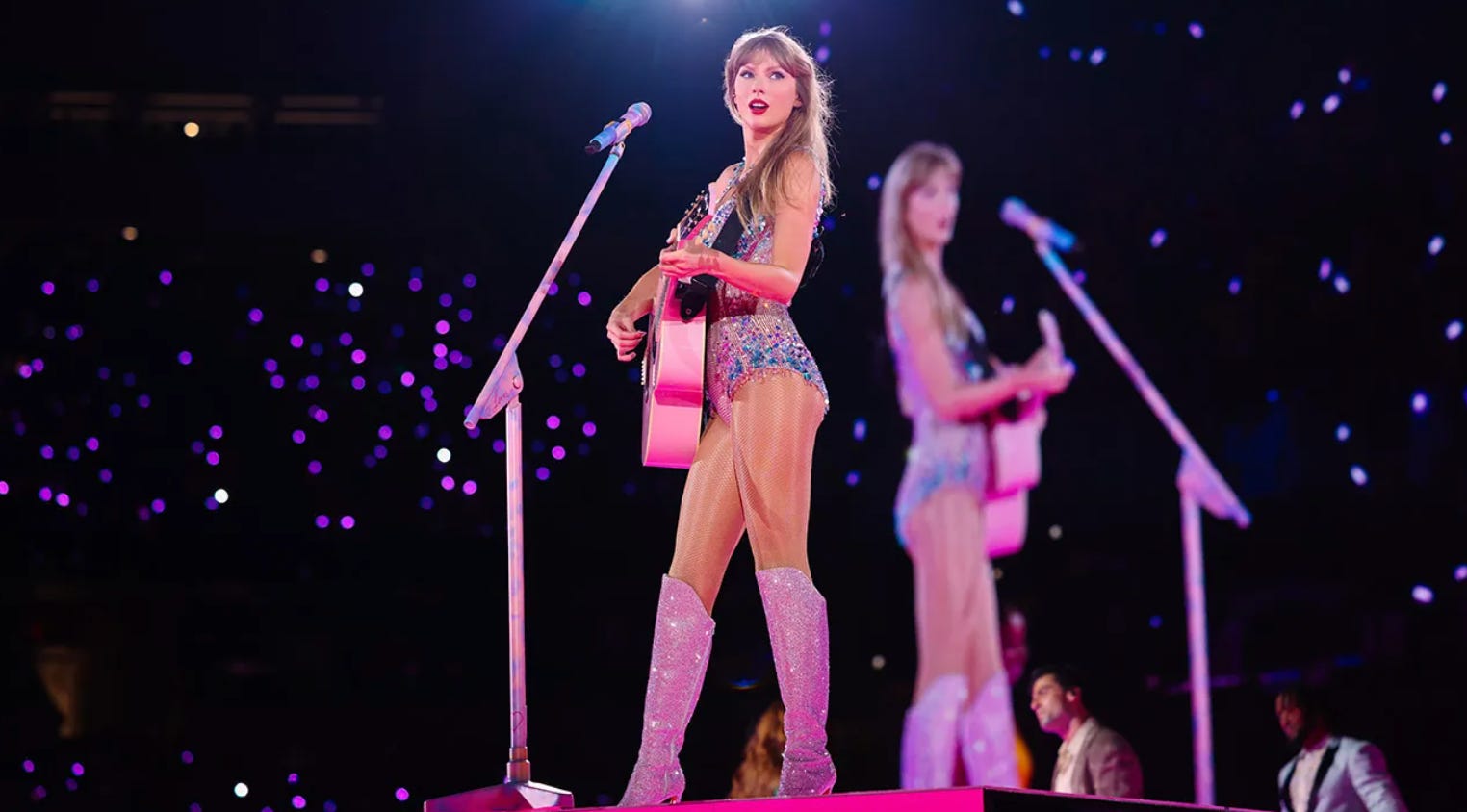
As the drug started circulating through my body, I watched on the tiny screen as Taylor emerged from a cocoon of iridescent fabric. I vaguely registered when the nurse came to replace the drained bag with the clear cyclophosphamide, another chemo drug that keeps the cancer cells the Red Devil just hit from repairing or duplicating their DNA, so they (hopefully) die off.
That infusion took another hour.
I ate the hot hospital lunch of chicken, rice, and green beans as Taylor came onstage in her lavender cupcake Enchanted gown. I already felt a little nauseous from the chemo, and the smell of the food combined with the warm, stuffy room even now makes me gag thinking of it (I never made the same mistake again and only ate fruit or cold food during chemo sessions going forward).
And then it was over.
Before leaving, I went to the bathroom, and was surprised to see the color of my pee was red. It was unsettling, and let’s be honest, kind of gross, but I reminded myself that the drug was on my side and was zapping the cancer at that very moment.
Going Home
In France, treatment costs are 100% covered by the French social security system. I realize how lucky I am to type that, knowing how debilitating medical costs can be in the United States. The French even cover the taxi ride to and from the hospital. My husband had to drive the kids to their various after school activities that day, so we took advantage of the service. I shuffled downstairs and waited outside for the taxi to arrive.
The driver was a woman. I remember her name as Brenda, although that can’t be right, it isn’t French. Her car smelled of smoke, and she had the raspy voice to match. She chatted on her phone for most of the drive home, which suited me just fine. I texted my sisters and my closest friends to update them, then watched as we passed the graffiti-covered buildings of Marseille, which soon gave way to bucolic fields of green.
The feeling I had then was “spaced out,” almost like I was high. The nausea I had felt already in the hospital room lingered. The driver dropped me off and gave me a big smile. “Bon courage!” she rasped, and she was off.
The Decision That Turned Into a Habit
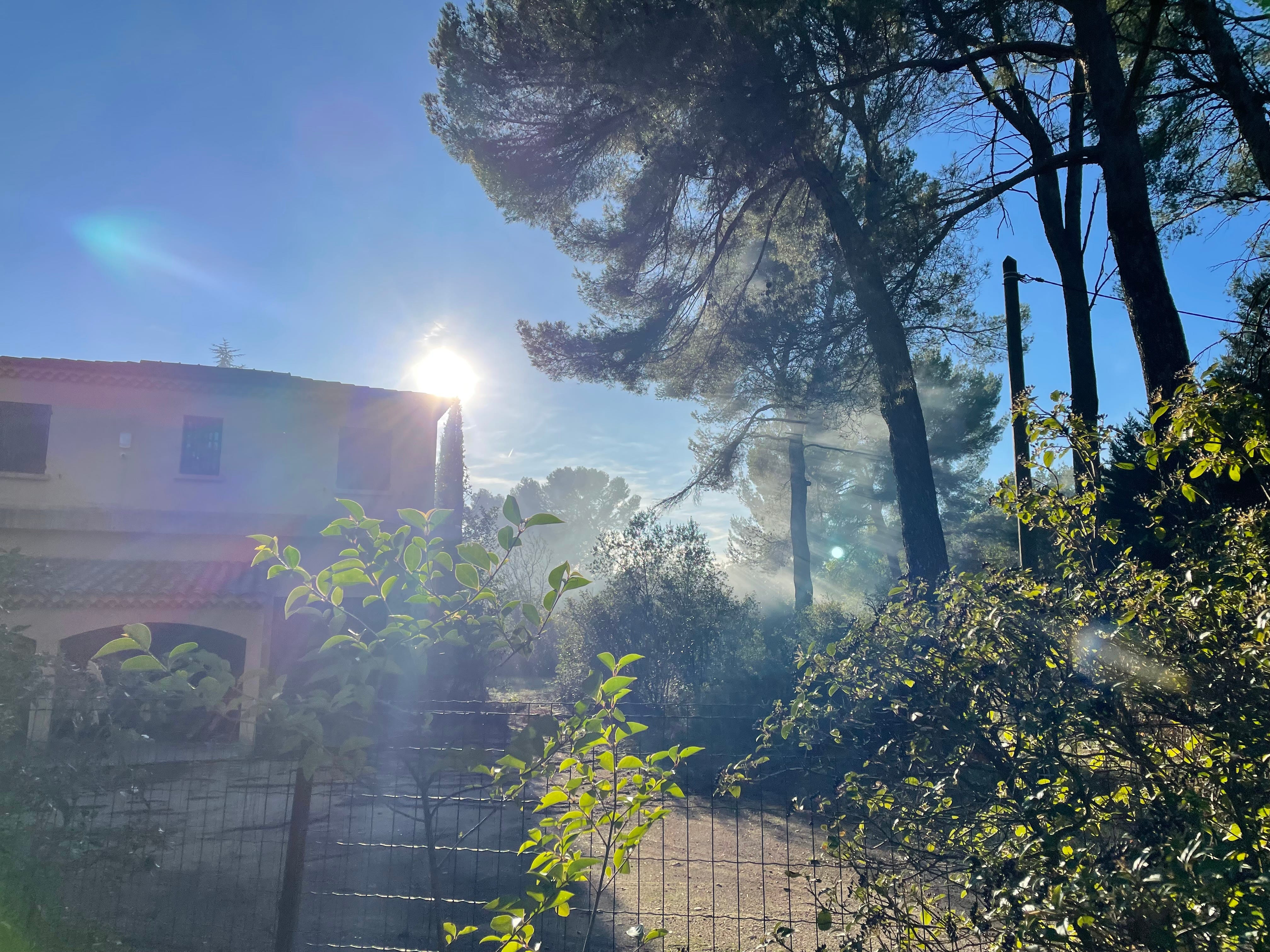
No one was home yet. The sun was shining on that winter’s day, and I immediately put on my sneakers and headed out for a walk. I had read somewhere that it’s good to “walk off the chemo.” Whether or not there’s any science behind that, I still don’t know. But it sounded like a good idea. Plus I had been stuck in that airless hospital room for hours and I craved cool air and nature.
I walked slowly and gently, and voice noted my best friend. I must have walked for about half an hour before I decided to head back. That walk solidified something in me. I’d always been active, but I knew that my usual workout regime would be stymied during my treatment. But walking, I could do.
So from that day on, I committed to walking everyday. It got harder the more chemo sessions I did, but I rarely missed a day. Some of the walks were short and slow, other longer and slightly more fast-paced.
But they all had the same effect—they helped me feel a little like my old self, like the cancer hadn’t fully taken over my identity, that I was still someone that could walk and exist in the world.
I climbed into bed as soon as I got back from that first walk. When the kids got home, I put on a big smile and held my arms out to them, telling them “Mommy’s okay, I’m just a little tired.” I gave them a big hug before they ran off to play, as kids should.
The First Night
My first night home was emotionally difficult. After the kids were asleep, I remember lying in bed, and it felt like a panic attack was coming on. I imagined this potent medicine in my body, wishing desperately that none of this was happening.
All I wanted was to escape, but I couldn’t. Much like that moment in the hospital, I wanted to run out the door, and keep running, away from the drugs and the sickness and all that I still had to overcome. But my husband held me close and talked me through it, and helped me visualize that the chemo I was so afraid of was saving my life. All I could control was my breath in that moment, and I drifted off to sleep.
The Following Days
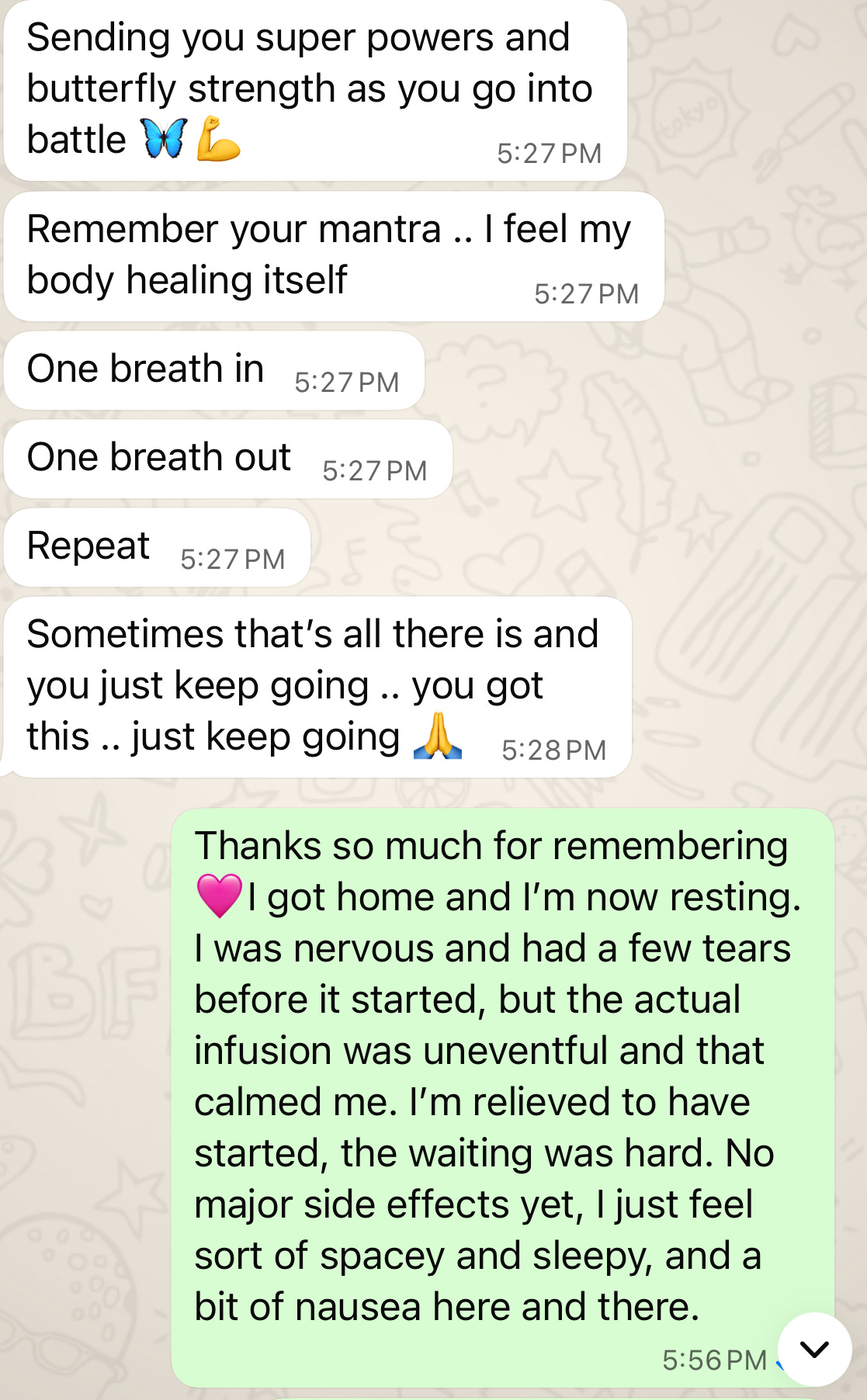
Day 2 wasn’t so bad, but the next three days were tough. The exhaustion was deep and intense. So was the nausea. I wrote to a friend who had had cancer:
“The day after was surprisingly ok, I thought maybe I’ll just sail through this chemo thing! I was wrong😅 Today was harder, I’ve slept for most of it. It just feels like a really bad hangover. I also have food aversions and cravings like pregnancy. All things I was told to expect, but still hard when they happen.”
What I Ate Days 1-7
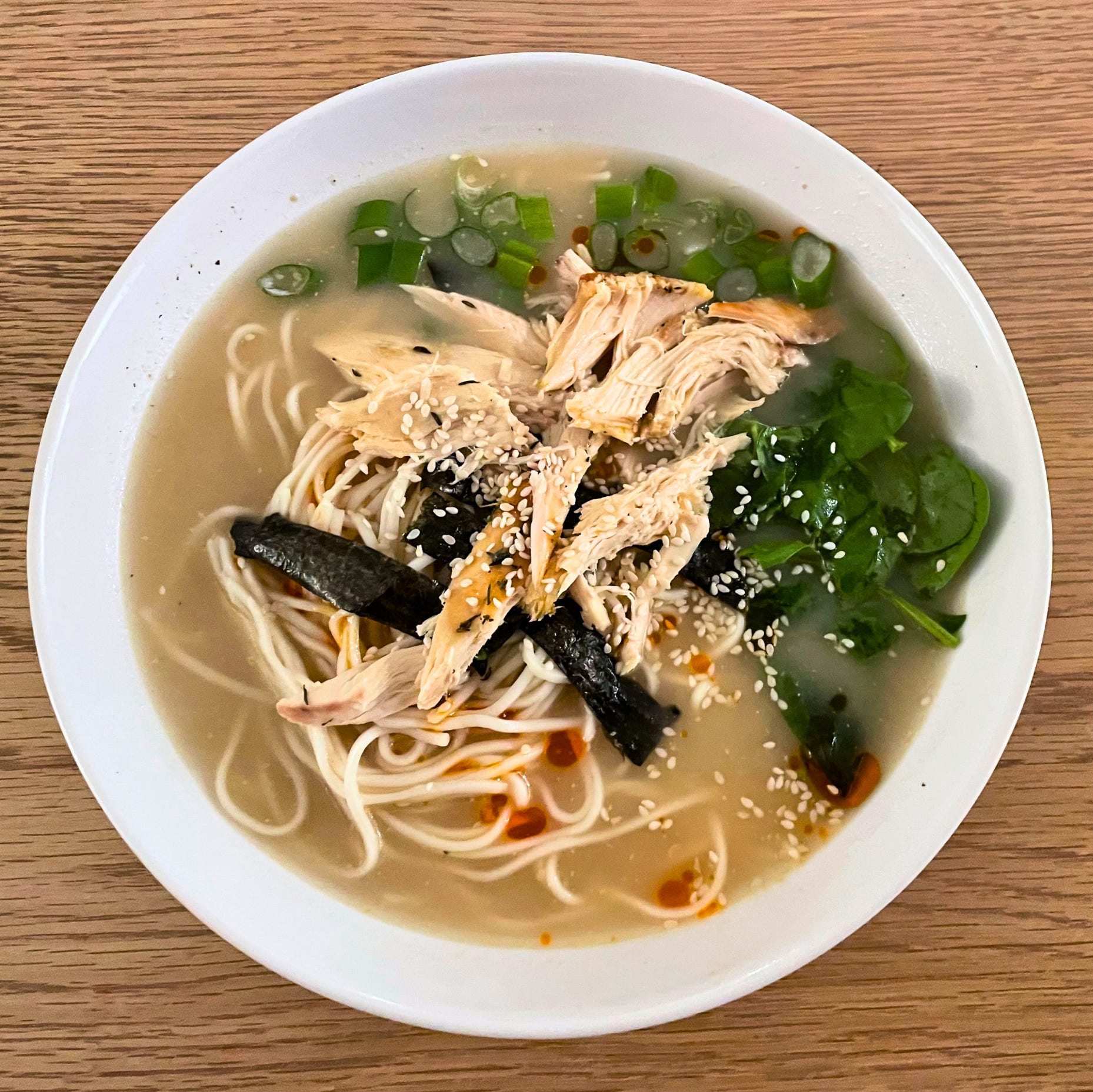
The nausea really settled in from Day 2, and was akin to morning sickness. It lasted around one week before it started to subside. I was prescribed anti-nausea meds which helped somewhat. I had to be really mindful about what I ate because so much made me feel sick. Some foods and meals that helped me during those high-nausea days included:
Oatmeal with a drizzle of honey and sliced banana
Baked white or sweet potato with mashed avocado and salad (I could actually stomach vegetables during chemo)
Cold smoothies (a raspberry-peanut-butter concoction and a mango-spinach one)
Oranges cold from the fridge
Plain rice cakes
Noodle soups
I’m working on a post full of recipes and foods that helped support me during treatment. I’d love to hear what specific foods helped you feel stronger and more nourished after surgery, or during chemo and radiation.
For that first week, I kept up my daily walks. Slowly, gently. Trudged is probably more accurate. I would wake up with the kids, help with breakfast and school bags, and then my husband and I would set off for a walk.
I also napped, a lot. Typically, I’d fall asleep mid-morning for a couple of hours. The fatigue was real. It felt like moving through molasses. My limbs were leaden and heavy. For someone who generally has a good amount of energy and likes to bound around, it was mentally hard for me to slow down.
Everyone reacts differently, of course. You may have little to no nausea, or it might be worse for you. Whatever the case may be, just take it one breath at a time. Not one day at a time, not one hour at a time, but one breath. That was a mantra I had to keep coming back to in the weeks that followed.
Because chemo is cumulative, and it did get harder, much harder, after subsequent sessions.
But I figured out ways to cope, and I’ll share those and more in Part 2, coming soon.
If this was helpful, you can support my work by becoming a paid subscriber or forwarding this to someone going through treatment. And if you have questions or ideas for future posts, just reply to this email—I read everything. 💗
Thank you